


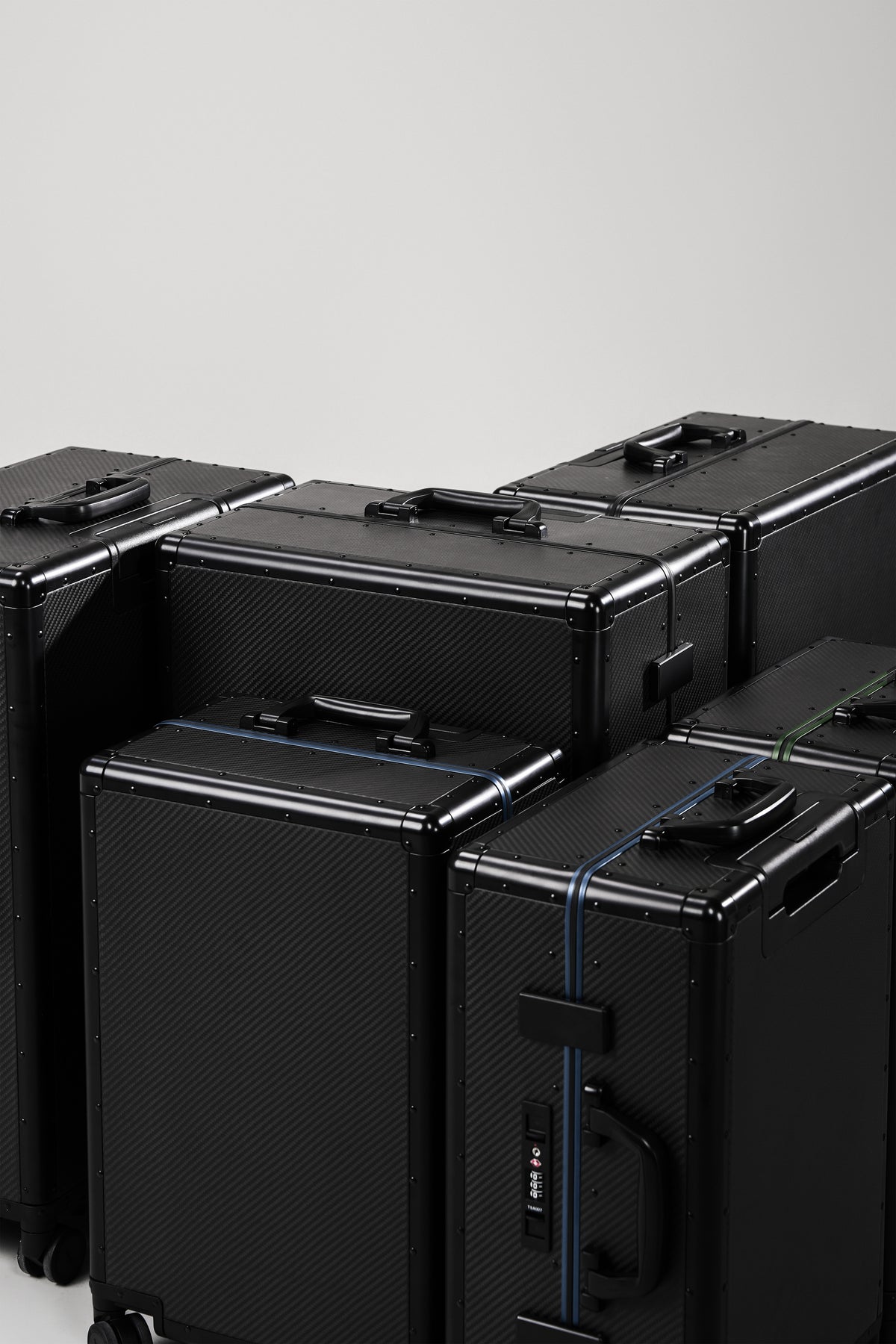
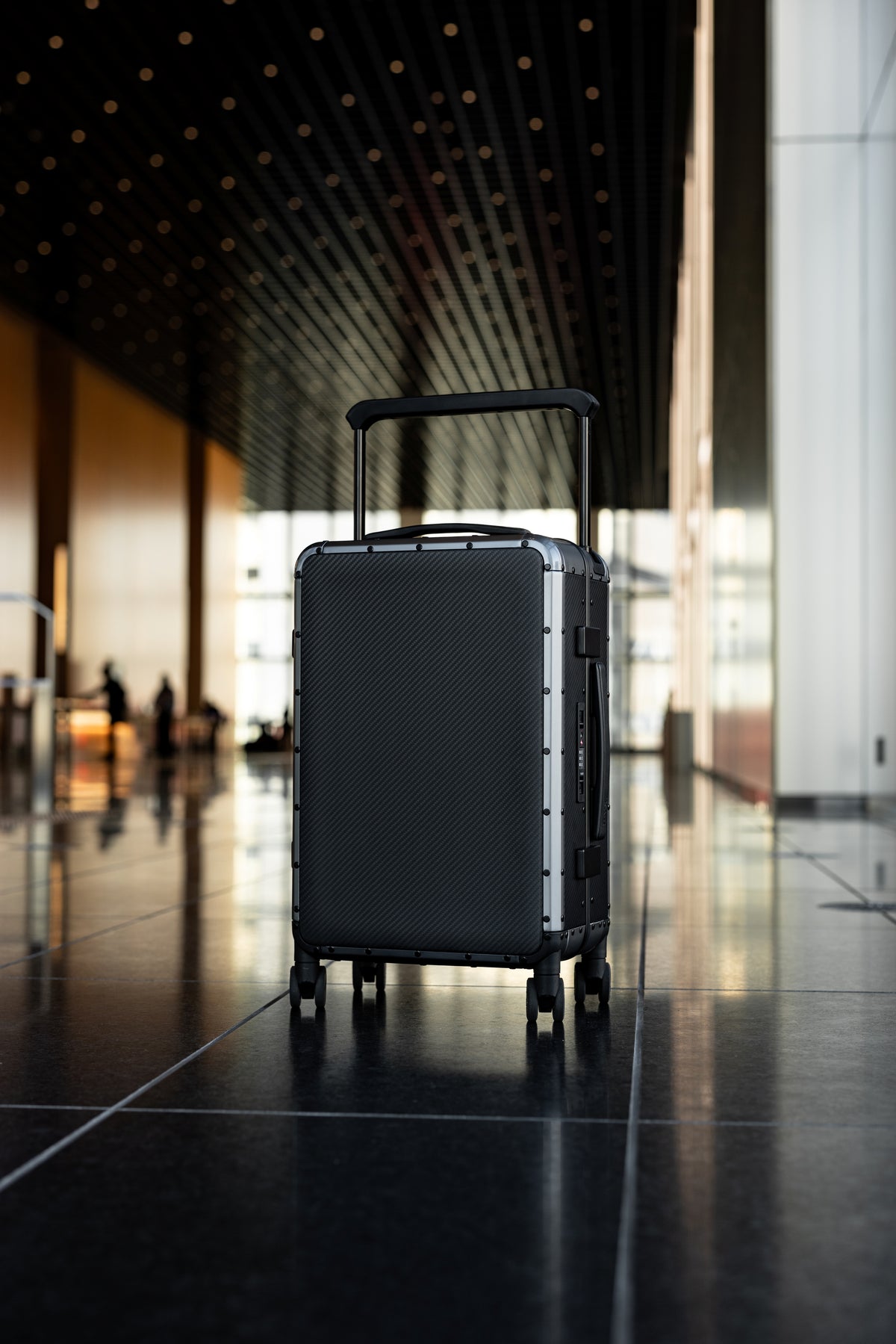

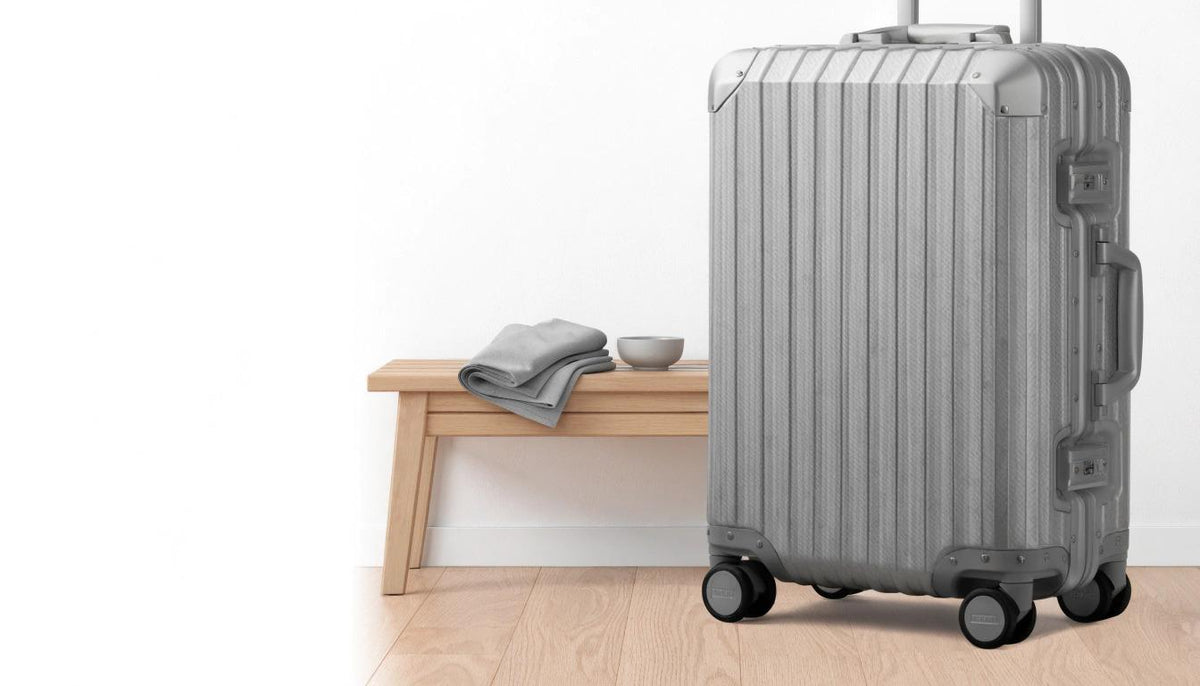

Aluminum suitcase care comes down to three things. Wipe the shell with a soft cloth, soap and water, and dry it. Consider scuffs as transferred materials that typically remove and scratches and dents as marks that typically do not remove. And understand the difference between cosmetic usage and a functional issue as a case that can't close, lock or roll is in need of service not cleaning. A well-cared-for metal case still collects marks. That is ownership, not failure.
Why Aluminum Suitcases Show Travel Wear
Aluminum Surface vs Other Shell Materials
A metal shell will be able to record contact in a manner that a molded plastic shell cannot. Polycarbonate bends and recoils, while aluminum will bend and retain the shape. Many aluminum cases are also anodized – which is a surface treatment not a coating – and the Aluminum Association are the reference for designating the alloys and finishes.
Normal Patina vs Damage
Any checked metal case will develop scratches and scuffs over time. The scuffs and scratches change the way it appears, but not its efficiency. The function test is useful; is the frame still in place, is the lock still snapping, is the lid still closing, do the wheels run straight. If all four hold, the case is doing its job.

How to Clean an Aluminum Suitcase Safely
The industry cleaning guidelines for anodized aluminum are set very conservatively. The standard that work to is AAMA 609 and 610, the cleaning and maintenance guide for architecturally finished aluminum, as well as the approach that is correct for a suitcase shell: begin at the mildest level that is effective.
- Clean off any loose dirt or grit using a soft cloth or a brush. The way to add scratches to a finish is to use a wipe of grit to clean it.
- Use soft, non-abrasive cloth and gentle pressure, wash with lukewarm water and mild soap solution.
- Rinse well with clean water to remove any soap residue that may remain on the shell and dry on it.
- Dry shell immediately with a clean soft cloth, don't let it air dry.
- Wipe the interior lining and let the case air out fully before you close and store it.

Things to avoid putting on the shell: sandpaper, abrasive polishing compounds, metal polish, solvents, strong household cleaners, scouring pads, or stiff brushes, pressure washers, or extended soaking periods. Anything that removes material removes finish.
How to Get Scuff Marks Off a Suitcase

Most scuffs are not damaging to your case at all. They are material transferred onto it from a conveyor belt, a bin edge or another bag, which is why they often lift with nothing more than soap and water.
- Start with a soft damp cloth and light pressure. Many marks come off at this stage.
- Do not apply more pressure if there is a mark, use the mild soap solution instead.
- Rinse and dry afterward, to prevent film residue from remaining on the finish.
- Do not continue to mark if it does not lift with gentle cleaning. It is a scratch rather than a scuff, and scratches do not clean off.
The distinction is simple in practice. Scuff is if it can be touched with a fingernail, scratch is if it can be felt.
What Scratches Can Be Removed From Aluminum Luggages?
Light Marks
Fine surface marks often look worse than they are and can become far less visible once the shell is properly cleaned. That is the realistic best case, and it is worth doing before you conclude anything.
Deep Scratches
Unfortunately, there is no safe home repair solution for a deep scratch in an anodized shell, and it is important to understand the "why" before it is "not." Aluminum oxide is normally harder than sandpaper and is the result of anodizing. Abrasives not only harm the surrounding finish before they come in contact with the scratch, but polishing compounds actually remove the anodizing film and never restore it. Anyone promising scratch removal on anodized aluminum is describing a different process from the one you can do at home.
How to Handle Dents in an Aluminum Suitcase

A dent is permanent local deformation and on a metal shell, it is the result of a hard impact and not a fault.
Use it as a cosmetic until it fits in the frame, catches the lock and lids flat on the frame. If a dent has gone through a corner, bent the frame channel or otherwise damaged a mounting point, it no longer is cosmetic and must be assessed.
Do not attempt to hammer or push a dent out at home. You risk damaging the finish, creating a stress concentration where you worked the metal, distorting the frame and affecting your service or warranty eligibility. The downside is larger than the cosmetic gain.
Caring for Wheels, Handles and Locks

Wheels
Wipe grit out of the wheel housings regularly, since that is what wears bearings. Spin each wheel and listen: grinding or a wheel that no longer tracks straight is worth reporting before it fails on a trip.
Telescoping Handle
Extend it fully, wipe the tubes clean and check for new side-to-side movement. Do not lubricate the stages unless the brand's own instructions tell you to, because the wrong lubricant attracts grit.
TSA Locks
Keep the mechanism dry and cycle it occasionally so it does not stiffen. Use the combination or key your lock came with, never the small keyhole, which exists for authorized security inspection. The TSA states that known locks can be cut when a bag cannot be opened, and that TSA cannot be held responsible for any damage to bags opened for screening purposes.
Tips on How to Store an Aluminum Suitcase
- Keep it clean and dry and let the inside dry out.
- Store in a dry place away from extended exposure to damp or hot conditions.
- Heavy objects should not be placed on top of it as it will crush the shell and frame line.
- Leave the latches closed but the case unlocked, so you are not relying on remembering a combination months later.
TREVA Aluminum Suitcase Care Example

TREVA is a framed aluminum case with a brand-stated 5083-O shell, reinforced corner guards and TSA-approved locks. All of the above is true of it: wash it with a light soap solution and a soft cloth, it will scuff and get a few dings and dents over time, and look for dings or dents in the frame, lock, wheels and handle, but not the case. Current specifications are on the TREVA aluminum suitcase page.
When to Contact Warranty Support
Call support if the case becomes unusable instead of if it stops opening and closing evenly, if the latch doesn't lock, if the shell is cracked or split, or if the wheel or handle is no longer usable.
Two boundaries worth knowing before you get in touch. MVST's Limited Lifetime Warranty is the formal document, and cosmetic dents, dings and scratches are normally handled differently from manufacturing defects. If an airline caused the damage, then that's a different claim: the US Department of Transportation indicates that if a bag was damaged while under the control of the airline, then the damage is the responsibility of the airline and should be reported as soon as possible, and that if a bag had a pre-existing damage, then the airline is not responsible for it.
Conclusion
Most scuffs can be removed with a mild soap and a soft cloth and the finish is protected and the moving parts. If there is a scratch or dent, it's usually permanent, and a metal case is not a failure, but rather normal wear and tear. Judge the case on whether it still closes, locks and rolls, and contact support when the answer is no.
FAQs
How do you clean an aluminum suitcase?
Try the mildest method that is effective, in this order.
- Remove any loose dirt and grit first by brushing or wiping.
- Use lukewarm water and mild soap to wash on soft, non-abrasive cloth
- Rinse off completely, do not leave any residue on the shell to dry.
- Dry off right away with a dry soft cloth.
How do you get scuff marks off a suitcase?
The majority of scuffs are material that has been transferred onto the shell, not damage to the shell, and can be removed with a soft damp cloth. Press gently with mild soap and water if mark remains, and then rinse and dry. If it still fails to raise it's not a scuff, it's a scratch and rubbing won't lift it.
Can scratches be removed from aluminum luggage?
After a proper clean, light surface marks can often be very difficult to see. Deep scratches in an anodized finish can't be safely fixed in the home. An anodized surface is aluminum oxide, which is actually harder than sandpaper, and abrasives and polishing compounds will not fix the scratch, but will damage the surrounding finish. If it has deep scratches, consider them to be there forever or ask the brand if they offer any refinishing services with that model.
Do aluminum suitcases dent easily?
They are dented under hard localised impact, since metal absorbs that impact by being permanently bent. How easy is going to depend on the case in question: the alloy and temper, the thickness of the shell, the shape of the panel, the design of the frame and corners, and precisely where the impact lands. A hit in the middle of the wide panel is different than a hit on a corner.
Are dents in aluminum luggage normal?
Yes, on a checked metal case. Dents, dings and scuffs accumulate with handling and are the expected outcome rather than a defect. What matters is function: if the frame seats, the lock catches, the lid closes flush and the wheels roll straight, the case is working as designed. A dent that changes any of those is a different question.
Can I use household cleaners on aluminum luggage?
No, not as a default. The anodized finish can be marred or stripped by strong household cleaners, solvents or metal polishes, and is easily scratched by scouring pads. Almost anything that a suitcase collects can be cleaned with mild soap and water on soft cloth. If you're thinking of something more, then consult the brand's product care directions first.
How often should I clean my aluminum suitcase?
After each trip is a reasonable habit, and more often if the case has been exposed to salt air, rain or road grit. Especially in the case of salt, it is better to remove it as soon as possible instead of letting it settle on the top. Most of the buildup that requires deeper cleaning later can be eliminated in a minute or so with a quick wipe down after each flight.
How do I maintain suitcase wheels and handles?
Inspect and clear debris rather than dismantling anything.
- Wipe grit out of the wheel housings, since that is what wears bearings
- Spin each wheel and listen for grinding or a wheel that pulls to one side
- Extend the handle fully, wipe the tubes and check for new side-to-side play
- Do not lubricate the handle stages unless the brand's instructions say to
How should I store aluminum luggage?
Clean and completely dry, in a dry place away from prolonged damp and direct heat, with the interior aired out first. Don't stack heavy objects on top of it because this will apply continual force to the shell and frame line. If the case is left latched but not locked, there is no problem of a forgotten combination months later.
When should I contact warranty support?
When the case stops working rather than when it stops looking new. That means a frame that no longer closes evenly, a latch that will not engage, a cracked or split shell, or a wheel or handle that has become unusable. Cosmetic dents and scratches are normally treated differently from manufacturing defects, so read the current warranty wording first, and use the airline's claim process instead if the damage happened in transit.
Sources
Sources and references
- [1]Fenestration and Glazing Industry Alliance, AAMA 609 and 610, Cleaning and Maintenance Guide for Architecturally Finished Aluminum, FGIA. Industry guidance on methods, equipment and materials for cleaning anodized and painted architectural aluminum. Written for building products, so it informs the approach rather than replacing MVST's own product care instructions. Accessed 17 September 2026.
- [2]The Aluminum Association, Standards, alloy designation and finishing context, The Aluminum Association. Alloy and temper designation reference. It does not establish cleaning methods or wear behaviour for any finished product. Accessed 17 September 2026.
- [3]US Department of Transportation, Lost, Delayed, or Damaged Baggage, Office of Aviation Consumer Protection, US Department of Transportation. Airlines are responsible for repairing or reimbursing damage occurring while a bag is under their control, subject to liability limits; claims should be filed as soon as possible; airlines are not responsible for pre-existing damage. Accessed 17 September 2026.
- [4]Transportation Security Administration, Travel Tips, baggage and recognized locks, US Department of Homeland Security. Recognized locks may still be cut where a bag cannot be opened, and TSA is not liable for damage to locked bags opened for screening. Accessed 17 September 2026.
Stay in the know
Sizing updates, packing systems, and the deals we think are worth it. No more than twice a month.
By clicking submit, you agree to our Privacy Policy.