





A TSA luggage lock is a lock built so you can secure your bag with your own combination or key, while authorized security officers can still open it for inspection using an approved tool rather than cutting it off. That is what the recognition actually means. It is inspection compatibility, not a burglary-resistance rating, and it does not make a checked bag theft-proof. You open it the way the lock's own instructions describe. Officers have a separate route.
TSA Luggage Lock Quick Answers
| Question | Direct answer | Source | The limit |
|---|---|---|---|
| What does it do? | Lets you lock the bag while allowing recognized security inspection access | TSA and Travel Sentry | Not a theft-proof or high-security rating |
| How does it open? | You use the model's own combination or owner key. Officers use a separate approved tool when needed | TSA and the lock manufacturer | The keyhole is not your backup key |
| Is it required? | No. Ordinary checked luggage does not have to use one | TSA | Special items such as firearms have their own separate rules |
| When do I need support? | When the correct code fails, the reset control does not behave as documented, or the hardware is jammed | MVST support and warranty | Stop before forcing the latch or frame |
What Is a TSA Lock on Luggage
The everyday phrase is TSA lock. The more precise term is a recognized or accepted lock, because the TSA does not make or sell these locks. It recognizes lock systems that let its officers open a bag without destroying the lock, under agreements with Travel Sentry and Safe Skies that provide universal master keys.
The Traveler Side
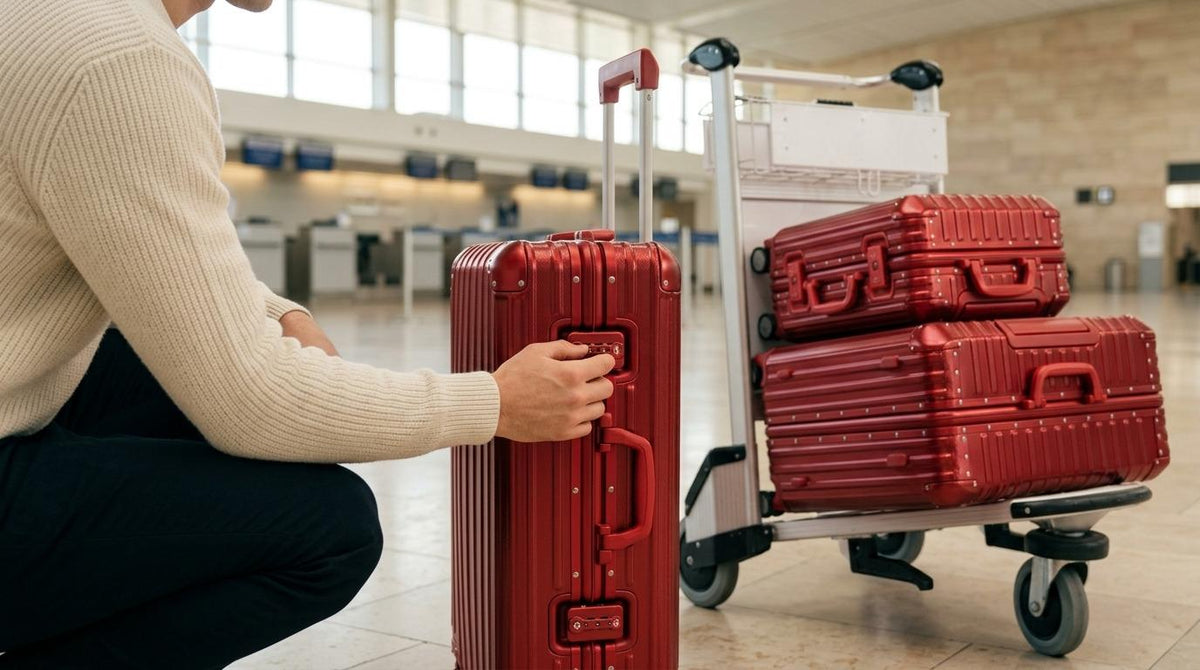
You open the lock using whatever method the manufacturer supplied for that specific product: a combination, a key, or on some locks a card. This is the only access path intended for you.
The Security Side
Authorized officers have a separate inspection method, which is why a recognized lock does not have to be cut when a bag is selected for a physical check.
Built-In or External
Recognized systems appear as integrated suitcase locks, padlocks, cable locks and straps. The recognition applies to the lock, not to the suitcase it is attached to.
How Does a TSA-Recognized Lock Open

Your route is the combination or owner key, used exactly as the lock's instructions describe.
The officer's route is the small keyhole. This is where most travelers go wrong, and Travel Sentry is explicit about this: you will not receive a key with a Travel Sentry approved combination lock, and you are not supposed to use one. The keyhole serves airport security agencies. As a traveler, you always use the dials.
The TSA notes that recognized locks may not have to be cut when a bag needs a physical inspection, and that a Notice of Baggage Inspection may be placed inside the bag afterwards. Two honest qualifications go with that. A lock can still be cut if it cannot be opened by an approved method, and the TSA states it is not liable for damage to locked bags opened for screening.
This article does not provide master key identifiers, where to obtain inspection keys, reproduction methods or lock-picking techniques. None of that helps you open your own bag.
How Can You Tell If a Lock Is Recognized

- Look for the identifying mark. Travel Sentry approved locks carry the Red Diamond. Safe Skies locks carry a different mark, so the absence of a red diamond does not mean a lock is unrecognized.
- Check the lock body, the packaging, the manual or the current product page for the recognition wording.
- Do not infer it from a keyhole or a three-dial display. Plenty of ordinary combination locks have both.
TSA Lock or Combination Lock, Which Is Better
This is a false choice, and it is worth clearing up. The two terms describe different things.
- TSA-recognized describes inspection compatibility: whether security can open it without cutting it.
- Combination describes how you open it: dials rather than a key.
- Most TSA-recognized luggage locks are combination locks, so the two overlap constantly.
- A combination lock can exist with no recognition at all, and a recognized system can use a key or card instead of dials.
Is a TSA Lock Necessary or Worth It

Not necessary. Ordinary checked luggage is not required to use a recognized lock just because it is checked.
The practical benefit is narrow and real: if your bag is selected for inspection, a recognized lock can be opened and relocked rather than cut off. A non-recognized lock on a bag that has to be opened is likely to be destroyed. That is the whole value proposition, and it is worth having.
What it does not buy you is protection for valuables. A luggage lock deters casual opening. It is not a safe, and anything genuinely valuable belongs in your carry-on or at home. Special items such as firearms have their own separate TSA requirements and are not covered by this guide.
Forgot the Combination

Recovering a lock you are locked out of and resetting a lock you can already open are two different jobs. Start with the model, not with a general procedure.
- Identify the exact suitcase or lock model and find its current manufacturer instructions.
- Do not assume every MVST lock uses the same reset control, factory code or sequence. Model documentation controls.
- Travel Sentry's own recovery guidance is the authority for a Travel Sentry lock, and it is clear that there is no backup key for personal use.
- Stop before forcing the latch, the dials, the zipper pulls or the frame. A lock problem is cheaper to fix than frame damage.
On factory codes: many three-dial locks ship set to 000, but that is a per-model fact rather than a universal one. Check your own manual rather than assuming.
When Should You Contact Support

- The correct known combination no longer releases the lock.
- The reset control does not behave the way the model instructions describe.
- The latch or lock is physically jammed or visibly damaged.
- You cannot find current model-specific instructions for your lock.
One more reason to escalate early on a zipperless case: a lock that will not open and a frame that has been knocked out of alignment can look identical from the outside. Forcing the latch turns the second problem into a worse one.
MVST's Limited Lifetime Warranty is the formal document here, and it states that locked luggage can be shipped to MVST to be unlocked by MVST personnel, with the customer responsible for shipping and handling for that service. A lockout is not automatically a covered manufacturing defect, so read the policy rather than assuming coverage.
MVST Lock Examples
Three current MVST lines, three different pieces of published lock wording. This is exactly why model documentation matters more than a general guide.
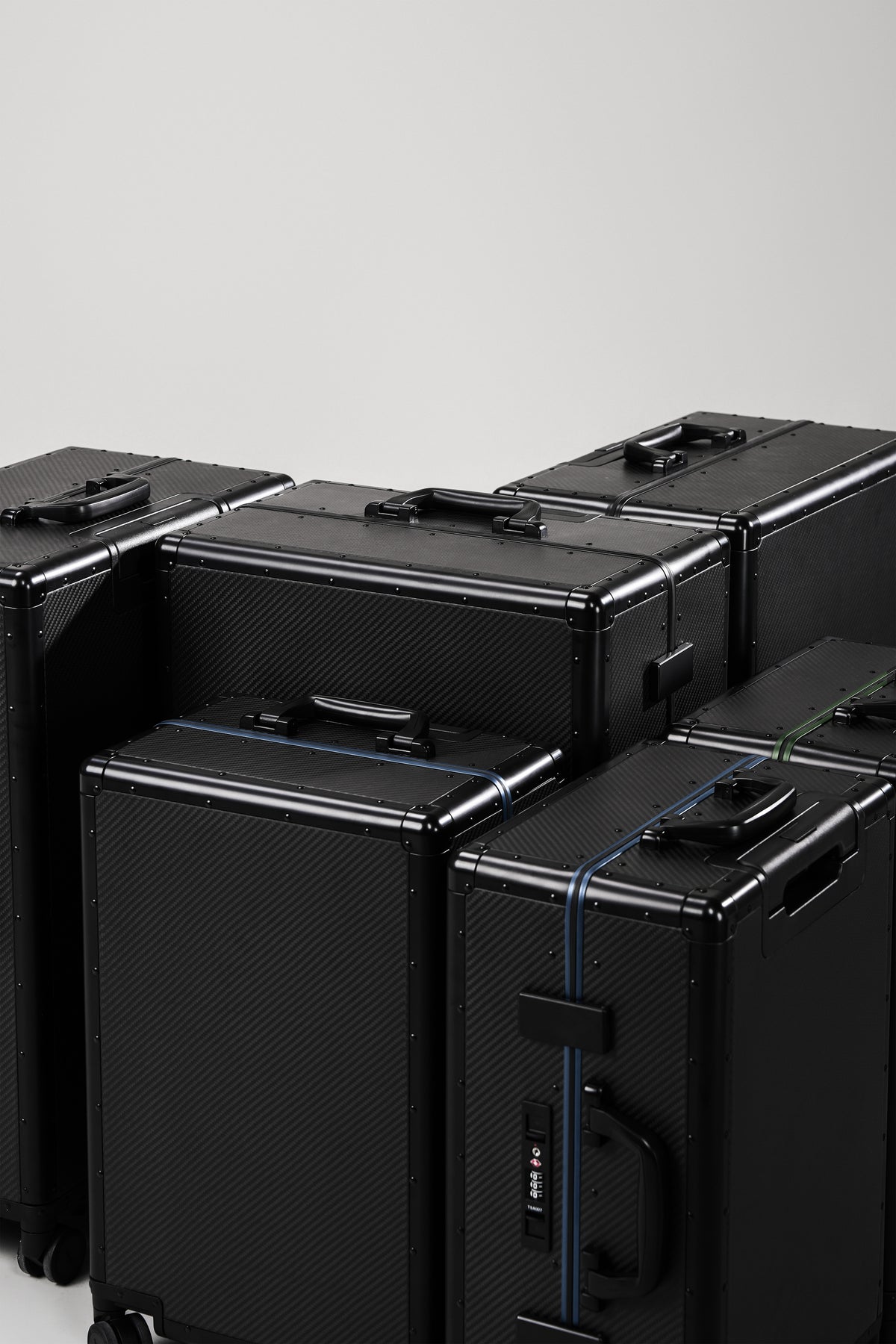
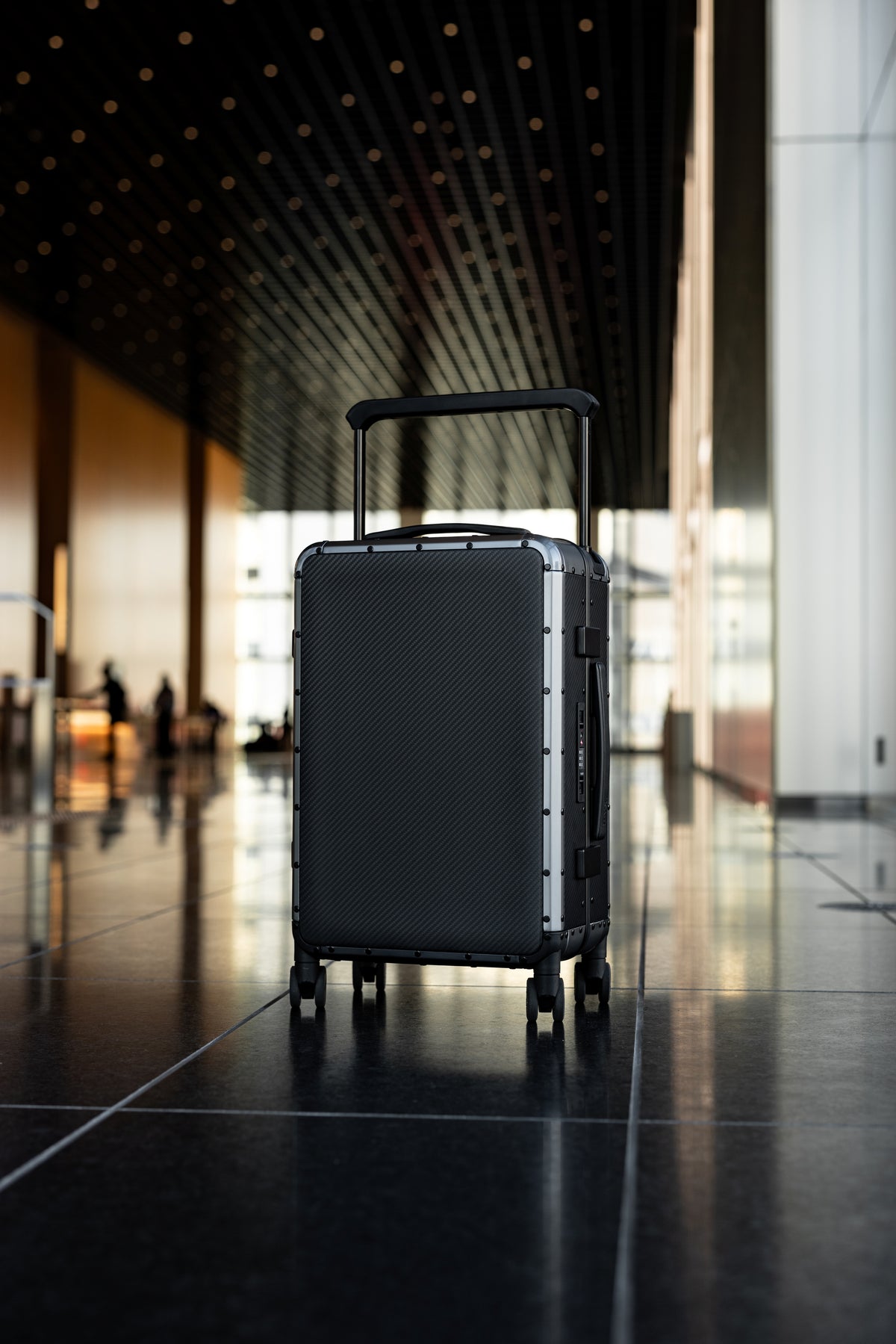
- TREVA: current product pages state a zipperless frame with TSA-approved locks.
- Carbon S 2.0: the current page states a TSA-approved combination lock on a zipperless case.
- Essential Collection: the current page identifies a TSA-008 combination lock. Included here only to show that MVST lock models differ.
Do not carry a reset method, factory code or mechanism from one of these to another. TSA-approved is the wording MVST uses on its own pages; TSA-recognized is the more accurate general term.
What a TSA Lock Does Not Guarantee

- No guarantee against theft, picking, cutting or forced entry.
- No promise that a recognized lock will never be cut during screening.
- No protection from conveyor damage, or from the lock being lost or broken in handling.
- No evidence that one recognized lock model is more secure than another without a defined test.
- No backup keyhole for the owner.
Still Locked Out
If you have identified your model, followed its current instructions and the lock still will not open, stop there. Do not force the latch or the frame. Contact MVST support with your model and order details and ask for the current unlocking route.
Conclusion
A TSA-recognized lock is designed to stay usable while authorized security can inspect your bag. That is a convenience and a damage-avoidance feature, not a guarantee against theft. You use the combination or key your lock came with, never the keyhole. If an MVST lock will not open using the approved instructions for that model, stop forcing it and go to support.
FAQs
What is a TSA lock on luggage?
A lock that you operate normally while authorized security officers have a separate recognized way to open it for inspection. The TSA does not make or sell these locks. It recognizes lock systems, currently Travel Sentry and Safe Skies, under agreements that give officers universal master keys so a bag can be checked without the lock being destroyed.
Is it necessary to have a TSA lock for luggage?
No. There is no requirement for ordinary checked luggage to use one. The benefit is practical: if your bag is selected for a physical inspection, a recognized lock can be opened and relocked instead of cut off. A non-recognized lock on a bag that must be opened will usually be destroyed.
Is a TSA lock worth it?
It is worth it if you want to lock a checked bag and avoid a cut lock during inspection. It is not worth treating as security for valuables.
- Good for: deterring casual opening, keeping zippers shut, avoiding a destroyed lock
- Not good for: protecting anything genuinely valuable
- Better option for valuables: carry them on, or leave them at home
Can TSA open a locked suitcase?
Yes. Officers may physically inspect checked baggage, and recognized locks can be opened with approved inspection tools. If a locked bag cannot be opened by an approved method, the lock may have to be cut. The TSA also states it is not liable for damage to locked bags opened for screening.
Can anyone open a TSA lock?
The system is designed for two parties, you and authorized security, but it is not exclusive access and should not be treated as theft protection. No travel lock guarantees protection against determined unauthorized entry. Keep valuables out of checked bags rather than relying on any luggage lock. This guide does not cover key sourcing or opening methods.
How do I know if my luggage lock is TSA-recognized?
Check the mark and the documentation, not the shape of the lock.
- Travel Sentry approved locks carry the Red Diamond
- Safe Skies locks carry their own separate mark
- The lock body, packaging, manual or product page should state the recognition
- A keyhole or three dials on their own prove nothing
Which is better, a TSA lock or a combination lock?
They are not alternatives. TSA-recognized describes whether security can open the lock without cutting it. Combination describes how you open it. Most TSA-recognized luggage locks are also combination locks, and a combination lock can have no recognition at all. Compare the two properties separately rather than choosing between them.
What is the default code for a TSA luggage lock?
There is no single universal default. Many three-dial locks ship set to 000, but the factory setting depends on the model, and your manual or product documentation is what controls. Do not assume a code from one suitcase applies to another, even from the same brand.
What should I do if I forgot the combination?
Work from your model's own instructions, then escalate.
- Identify the exact suitcase or lock model
- Find the current manufacturer instructions for that model
- For a Travel Sentry lock, use Travel Sentry's own recovery guidance
- Stop before forcing the latch, dials or frame
- If nothing works, contact MVST support rather than continuing
What are the disadvantages of TSA locks?
Four, and none of them is a reason to avoid one.
- Recognition is about inspection access, not theft prevention
- The lock can still be lost, damaged or cut in some screening situations
- Combinations get forgotten, and there is no owner backup key
- Security performance between models cannot be compared without a defined test
Sources
Sources and references
- [1]Transportation Security Administration, Travel Tips, baggage and recognized locks, US Department of Homeland Security. Recognized locks may not have to be cut when a physical inspection is needed, a Notice of Baggage Inspection may be left in the bag, and TSA is not liable for damage to locked bags opened for screening. Accessed 14 September 2026.
- [2]Transportation Security Administration, Security Screening, baggage inspection, US Department of Homeland Security. TSA holds agreements with Travel Sentry and Safe Skies providing universal master keys, so certain branded locks may not have to be cut. Accessed 14 September 2026.
- [3]Travel Sentry, Understanding TSA Locks, Travel Sentry. Red Diamond identification, the purpose of recognized locks and the distinction between traveler access and authorized security access. Accessed 14 September 2026.
- [4]Travel Sentry, What Is the TSA Keyhole on Your Luggage Combination Lock, Travel Sentry. Travelers do not receive a key with a Travel Sentry approved combination lock and are not supposed to use the keyhole. There is no backup key for personal use. Accessed 14 September 2026.
- [5]Travel Sentry, Forgot Your Combination on Your TSA Lock, Travel Sentry. Owner recovery guidance for a forgotten combination, cited as the authority rather than reproduced here. Detailed recovery belongs to D2. Accessed 14 September 2026.
Stay in the know
Sizing updates, packing systems, and the deals we think are worth it. No more than twice a month.
By clicking submit, you agree to our Privacy Policy.